Air France made it’s last flight to Tehran on September 18th. Air France cut the number of frequencies to Tehran on August 1, announcing that it would fly only once in a week instead of 3.
British Airways will close route 4 days after Air France on September 22nd with a return trip on the 23rd.
British Airways and Air France are following suit of KLM, which announced last month that it would suspend flights from Amsterdam to Iran in September.
Both airlines are issuing statements that the routes are no longer commercially viable.
As the number of business customers flying to Iran has fallen, the connection is not profitable anymore, said a spokesperson for Air France.
However, speculation that the airlines are simply giving in to political pressure after the United States pulled out of the nuclear agreement with Iran and reimposed sanctions on Iran.
After the sanctions were originally reimposed in early August, Airbus and ATR stopped their deliveries to Iran Air, Iran’s national carrier.
Air France, KLM, and British Airways originally restarted their routes to Tehran in 2015 after the nuclear deal was originally struck.
British Airways is offering refunds to passengers affected or offering to rebook passengers with other carriers.
Air France has, in recent times, transferred their Theran route to their subsidiary, JOON.
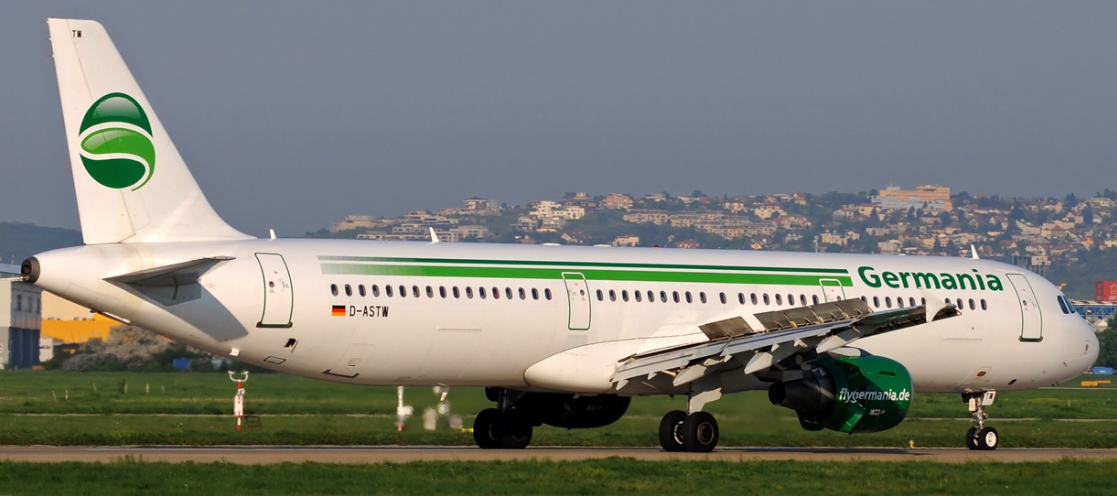
Lufthansa, Austrian Airlines, Germania, Alitalia, and Turkish Airlines are some of the European airlines still operating their routes to Tehran. None of them have provided any indication that they plan to cut their flights as well.
Tourism Observer
Showing posts with label germania. Show all posts
Friday, 21 September 2018
Friday, 25 May 2018
GERMANY: Germania Launches New Routes
Germania has commenced its first services to the French island of Corsica during the last seven days.
Weekly flights (Saturdays) from Dresden (DRS) and Nuremberg (NUE) were started to Bastia (BIA), the second busiest airport on the island after Ajaccio.
The 1,007-kilometre sector from the former airport will be flown by the airline’s 737-700s, while the service from the latter facility will be operated by a mix of Germania’s A320 family.
Both routes were launched on 19 May and neither faces any direct competition.
Germania, on 26 April, launched direct flights between Dresden (DRS) and St. Petersburg (LED).
The capital city of the state of Saxony became a new destination in the Russian airport’s route network and the seventh German city with direct scheduled service.
The LCC operates the city pair twice-weekly with its 737-700 fleet, leaving from the German city on Thursdays and Sundays and the return flights departing Russia on Fridays and Mondays.
In addition to Dresden, St. Petersburg offers direct connections to such German cities as Berlin Schonefeld and Tegel airports by Rossiya Airlines and S7 Airlines respectively.
Hamburg and Dusseldorf by Rossiya, Munich by Rossiya and Lufthansa.
Frankfurt by Lufthansa and Ural Airlines and Cologne Bonn by Pobeda. There is no direct competition on this sector.
Germania now serves the Vienna (VIE) to Rostock (RLG) route twice-weekly (Fridays and Sundays) from 26 May.
The flights, operated by an A319, depart from Rostock at 11:50 and land in Vienna at 13:20, and leave the Austrian capital at 14:05 and arrive back in the Hanseatic city at 15:35.
We are pleased to welcome a new airline at Vienna Airport, namely Germania.
The new route to Rostock makes it even easier for passengers to reach the northern part of Germany, says Julian Jager, Member of the Management Board of Vienna Airport.
The route faces no direct competition. The day before, the airline began weekly (Thursdays) rotations between Hamburg (HAM) and Varna (VAR).
Flown by Germania’s A319 fleet, the city pair will encounter resistance from incumbent SunExpress Germany, which also flies the route on a weekly basis.
The last of the trio of new routes commenced by the airline on 23 May was the addition of another route from its recently opened Palma de Mallorca (PMI) base.
Germania added a twice-weekly (Tuesdays and Fridays) service to Montpellier (MPL) on 23 May. Operated by the carrier’s 737-700 fleet, the 459-kilometre sector will face no direct competition.
Germania has commenced two new routes from Germany this week. The airline began weekly (Fridays) operations from Düsseldorf (DUS) to Gazipasa-Alanya (GZP) in Turkey.
The 2,617-kilometre sector will be flown by Germania’s A319 fleet. By contrast, its twice-weekly (Mondays and Thursdays) operation from Nuremberg (NUE) to Athens (ATH), will be flown on its 737-700s. Neither route faces any direct competition.
Germania has based a second aircraft at Berlin Schonefeld (SXF), and is using the fresh capacity to re-start weekly services (Fridays) to Sharm El Sheikh (SSH), thereby reviving a route between the German capital and the Red Sea resort that has not been available for four-and-a-half years.
The following day the carrier also began services to Fuerteventura (FUE), a route that will operate on a twice-weekly basis (Tuesdays and Saturdays).
Unlike the Egyptian sector, the Spanish city pair will see direct competition from Ryanair (twice-weekly) and Condor (weekly).
Both routes will be flown by the carrier’s 737-700 fleet. Additional new features in Germania’s winter flight schedule from Schönefeld include increased capacity to Hurghada and a new route to Gran Canaria which launches next week.
The airline is committed to a policy for growth at this base, as well as Berlin Tegel.
Germania will achieve 400% growth in Berlin, commented Clauspeter Schwarz, Germania’s COO. This is our response to market changes and a greater presence in the capital.
Engelbert Lütke Daldrup, CEO of Berlin Brandenburg said: We are very pleased with the increased commitment of Germania to Berlin.
The wider range of flight offerings, the development of its bases at our two locations, as well as the maintenance operations at Schonefeld make the airline a key partner for us.”
Tourism Observer
Weekly flights (Saturdays) from Dresden (DRS) and Nuremberg (NUE) were started to Bastia (BIA), the second busiest airport on the island after Ajaccio.
The 1,007-kilometre sector from the former airport will be flown by the airline’s 737-700s, while the service from the latter facility will be operated by a mix of Germania’s A320 family.
Both routes were launched on 19 May and neither faces any direct competition.
Germania, on 26 April, launched direct flights between Dresden (DRS) and St. Petersburg (LED).
The capital city of the state of Saxony became a new destination in the Russian airport’s route network and the seventh German city with direct scheduled service.
The LCC operates the city pair twice-weekly with its 737-700 fleet, leaving from the German city on Thursdays and Sundays and the return flights departing Russia on Fridays and Mondays.
In addition to Dresden, St. Petersburg offers direct connections to such German cities as Berlin Schonefeld and Tegel airports by Rossiya Airlines and S7 Airlines respectively.
Hamburg and Dusseldorf by Rossiya, Munich by Rossiya and Lufthansa.
Frankfurt by Lufthansa and Ural Airlines and Cologne Bonn by Pobeda. There is no direct competition on this sector.
Germania now serves the Vienna (VIE) to Rostock (RLG) route twice-weekly (Fridays and Sundays) from 26 May.
The flights, operated by an A319, depart from Rostock at 11:50 and land in Vienna at 13:20, and leave the Austrian capital at 14:05 and arrive back in the Hanseatic city at 15:35.
We are pleased to welcome a new airline at Vienna Airport, namely Germania.
The new route to Rostock makes it even easier for passengers to reach the northern part of Germany, says Julian Jager, Member of the Management Board of Vienna Airport.
The route faces no direct competition. The day before, the airline began weekly (Thursdays) rotations between Hamburg (HAM) and Varna (VAR).
Flown by Germania’s A319 fleet, the city pair will encounter resistance from incumbent SunExpress Germany, which also flies the route on a weekly basis.
The last of the trio of new routes commenced by the airline on 23 May was the addition of another route from its recently opened Palma de Mallorca (PMI) base.
Germania added a twice-weekly (Tuesdays and Fridays) service to Montpellier (MPL) on 23 May. Operated by the carrier’s 737-700 fleet, the 459-kilometre sector will face no direct competition.
Germania has commenced two new routes from Germany this week. The airline began weekly (Fridays) operations from Düsseldorf (DUS) to Gazipasa-Alanya (GZP) in Turkey.
The 2,617-kilometre sector will be flown by Germania’s A319 fleet. By contrast, its twice-weekly (Mondays and Thursdays) operation from Nuremberg (NUE) to Athens (ATH), will be flown on its 737-700s. Neither route faces any direct competition.
Germania has based a second aircraft at Berlin Schonefeld (SXF), and is using the fresh capacity to re-start weekly services (Fridays) to Sharm El Sheikh (SSH), thereby reviving a route between the German capital and the Red Sea resort that has not been available for four-and-a-half years.
The following day the carrier also began services to Fuerteventura (FUE), a route that will operate on a twice-weekly basis (Tuesdays and Saturdays).
Unlike the Egyptian sector, the Spanish city pair will see direct competition from Ryanair (twice-weekly) and Condor (weekly).
Both routes will be flown by the carrier’s 737-700 fleet. Additional new features in Germania’s winter flight schedule from Schönefeld include increased capacity to Hurghada and a new route to Gran Canaria which launches next week.
The airline is committed to a policy for growth at this base, as well as Berlin Tegel.
Germania will achieve 400% growth in Berlin, commented Clauspeter Schwarz, Germania’s COO. This is our response to market changes and a greater presence in the capital.
Engelbert Lütke Daldrup, CEO of Berlin Brandenburg said: We are very pleased with the increased commitment of Germania to Berlin.
The wider range of flight offerings, the development of its bases at our two locations, as well as the maintenance operations at Schonefeld make the airline a key partner for us.”
Tourism Observer
Friday, 1 September 2017
GERMANY: Germania To Add More Flights To Greece In 2018
German carrier Germania has revised its flight program for summer 2018 and will operate more frequent flights from Dusseldorf to Greece.
The new destinations include the Greek islands of Crete, Karpathos, Kos, Lesvos, Rhodes and Zakynthos. Additionally, the number of connections to the island of Samos will be increased to two per week.
In 2018 Germania will also operate a new twice weekly service from Dresden to Athens. Moreover, in 2018 the airline will launch flights from Germany to Thessaloniki and Corfu.
Germania already operates seasonal direct flights from the German cities of Bremen and Nuremberg to Athens and also offers service to select Greek islands through a codeshare agreement with Greek airline Sky Express.
Top Kinissis Hellas is the General Sales Agent (GSA) of Germania in Greece.
New flights to Canary Islands and Portugal
Germania also announced that in 2018 it will fly to the Canary Islands of Fuerteventura, Gran Canaria, Lanzarote, La Palma and Tenerife. Also new to the airline’s schedule are the Portuguese destinations Faro on the Atlantic coast and Ponta Delgada at the Azores.
Also, in 2018 two flights a week twill continue to take off from Germany to Paphos in Cyprus.
Germania’s 2018 winter schedule also includes four flights a week for Tel Aviv.
In efforts to meet demand from the Turkish community in Germany, Germania offers an extensive choice of flights to Turkey.
The destination airports include Edremit, Alanya/Gazipasa, Hatay and Zonguldak. A new addition is Kütahya/Zafer, while the flights to Malatya are being increased.
Tourism Observer
The new destinations include the Greek islands of Crete, Karpathos, Kos, Lesvos, Rhodes and Zakynthos. Additionally, the number of connections to the island of Samos will be increased to two per week.
In 2018 Germania will also operate a new twice weekly service from Dresden to Athens. Moreover, in 2018 the airline will launch flights from Germany to Thessaloniki and Corfu.
Germania already operates seasonal direct flights from the German cities of Bremen and Nuremberg to Athens and also offers service to select Greek islands through a codeshare agreement with Greek airline Sky Express.
Top Kinissis Hellas is the General Sales Agent (GSA) of Germania in Greece.
New flights to Canary Islands and Portugal
Germania also announced that in 2018 it will fly to the Canary Islands of Fuerteventura, Gran Canaria, Lanzarote, La Palma and Tenerife. Also new to the airline’s schedule are the Portuguese destinations Faro on the Atlantic coast and Ponta Delgada at the Azores.
Also, in 2018 two flights a week twill continue to take off from Germany to Paphos in Cyprus.
Germania’s 2018 winter schedule also includes four flights a week for Tel Aviv.
In efforts to meet demand from the Turkish community in Germany, Germania offers an extensive choice of flights to Turkey.
The destination airports include Edremit, Alanya/Gazipasa, Hatay and Zonguldak. A new addition is Kütahya/Zafer, while the flights to Malatya are being increased.
Tourism Observer
Thursday, 1 June 2017
GERMANY: Traffic At Nuremberg Airport Grows 23%
The city of Nuremberg is home to a population of over 500,000 people, an important industrial centre with a strong standing in the markets of Central and Eastern Europe. With a strong manufacturing prowess, items made in the area around the city include electrical equipment, mechanical and optical products, and printed materials.
The city is also strong in the fields of automation, energy and medical technology, with one of the city’s biggest employers being Siemens. Nestled in the northern part of Bavaria, the city is served by Nuremberg Airport, the tenth largest airport in Germany which last year welcomed just under 3.5 million passengers.
The airport has had many successes during the past year, including the opening of a new Ryanair base, and the team being highly commended at this year’s Routes Europe Marketing Awards in Belfast.
Nuremberg Airport has had an exceptional start to 2017, with Q1 traffic up 23% when compared to the same three-month period of 2016. Passenger figures for January were up 22%, while February indicated a 25% rise and March 23%.
Looking at the international and domestic markets, the former welcomed a 37% increase in traffic during Q1, while the latter showed a more modest 3% rise, highlighting that international expansion is the driving force behind Nuremberg’s impressive growth.
According to ADV monthly statistics, the average growth during the first quarter of 2017 across Germany’s leading airports was 4.5%, showing that Nuremberg is well above the national average.
With the airport’s exciting growth comes the news that it is Germany’s fastest-growing top 10 airport for Q1, with only Berlin Schonefeld (sixth largest airport; 16% growth in Q1 2017) and Düsseldorf (third; 13%) also registering double-digit growth. If Nuremberg’s growth pattern continues throughout 2017, then it should welcome around 4.2 million passengers this calendar year.
When taking Nuremberg’s 2016 monthly passenger statistics and placing them in anna.aero’s Seasonal Variation in Demand calculator (SVID) it performs well, generating a score of 5.48 – a “Good” rating. This is an improvement from the 6.26 also good that it scored for its 2015 monthly statistics.
What this indicates is that with Nuremberg’s impressive traffic growth, the impact has not damaged its seasonality. In fact with the seasonality profile of the airport being reduced, even with more traffic, shows that Nuremberg has demand for year-round services, not just summer seasonal ones when the airport is at its peak.
Since Ryanair opened its base at Nuremberg in October 2016, it now has two 737-800s stationed at the Bavarian airport and as a result it has grown to become Nuremberg’s largest airline. In total the ULCC occupies 18% of weekly departing seat capacity this summer, with its own individual seat capacity growing by over 420%, a result of the based aircraft.
Last year the airline occupied 4.4% of weekly seat capacity during summer. In the past year the airline has opened flights to Bari, Budapest, Madrid, Manchester, Milan Bergamo, Palermo, Porto, Rome Ciampino and Verona from Nuremberg. In total the airline will offer 58 weekly flights from the city during S17.
Wednesdays and Sundays are the busiest of the week with nine flights each, while the rest of the week sees eight daily departures. Looking ahead to W17/18, the most significant route that Ryanair will open from Nuremberg is Krakow, the first connection to be offered between the Polish and German sister cities, and Nuremberg’s first direct flight to Poland.
Ryanair will also connect Nuremberg to Vilnius from the end of October.
The most recent carrier to join the airline roll call at Nuremberg is bmi regional which began flights from Birmingham on 8 May, a route which will operate six times weekly and which anna.aero was fortune to attend the launch of.
In total, weekly seat capacity this summer from Nuremberg has risen by nearly 32% when analysed with S16 data.
Antalya is fastest-growing route for Nuremberg in S17
With SunExpress increasing its seat offering between Nuremberg and Antalya by 128% during the past 12 months, the Turkish resort is the fastest-growing top 12 route from the German airport this summer. It is followed by London Stansted which has seen its capacity increase by over 71%, the result of Ryanair increasing its frequency to 12 times weekly (twice-daily Mondays to Fridays) from daily on the route to the UK capital.
The leading route from Nuremberg this summer is Palma de Mallorca, a title it holds on to from S16 despite a 8.5% drop in capacity.
Looking at OAG schedules for this summer, Nuremberg will have direct flights to 58 destinations (w/c 13 June 2017), an increase of 15 when compared to the same week of 2016.
Along with the new routes to Krakow and Vilnius being launched by Ryanair, other services that are to be introduced from Nuremberg during the remainder of 2017 include Adana, Athens, Dalaman, Reykjavik/Keflavik and Tel Aviv with Germania, with the latter two being the airport’s first flights to Iceland and Israel.
Finally Wizz Air, which has grown its seat capacity from Nuremberg by 122% since last summer, will begin services from Kiev Zhuliany in August.
Looking ahead to the rest of 2017, one of the most significant route launches from Nuremberg is to Tel Aviv, a sector that will be inaugurated by Germania in November.
Along with Tel Aviv, Germania will also add Reykjavik/Keflavik to its Nuremberg schedule from June, becoming the German airport’s first flights to Israel and Iceland.
Other important route launches from Nuremberg in 2017 include Krakow and Vilnius with Ryanair, and Wizz Air adding Kiev Zhulyany flights.
The city is also strong in the fields of automation, energy and medical technology, with one of the city’s biggest employers being Siemens. Nestled in the northern part of Bavaria, the city is served by Nuremberg Airport, the tenth largest airport in Germany which last year welcomed just under 3.5 million passengers.
The airport has had many successes during the past year, including the opening of a new Ryanair base, and the team being highly commended at this year’s Routes Europe Marketing Awards in Belfast.
Nuremberg Airport has had an exceptional start to 2017, with Q1 traffic up 23% when compared to the same three-month period of 2016. Passenger figures for January were up 22%, while February indicated a 25% rise and March 23%.
Looking at the international and domestic markets, the former welcomed a 37% increase in traffic during Q1, while the latter showed a more modest 3% rise, highlighting that international expansion is the driving force behind Nuremberg’s impressive growth.
According to ADV monthly statistics, the average growth during the first quarter of 2017 across Germany’s leading airports was 4.5%, showing that Nuremberg is well above the national average.
With the airport’s exciting growth comes the news that it is Germany’s fastest-growing top 10 airport for Q1, with only Berlin Schonefeld (sixth largest airport; 16% growth in Q1 2017) and Düsseldorf (third; 13%) also registering double-digit growth. If Nuremberg’s growth pattern continues throughout 2017, then it should welcome around 4.2 million passengers this calendar year.
When taking Nuremberg’s 2016 monthly passenger statistics and placing them in anna.aero’s Seasonal Variation in Demand calculator (SVID) it performs well, generating a score of 5.48 – a “Good” rating. This is an improvement from the 6.26 also good that it scored for its 2015 monthly statistics.
What this indicates is that with Nuremberg’s impressive traffic growth, the impact has not damaged its seasonality. In fact with the seasonality profile of the airport being reduced, even with more traffic, shows that Nuremberg has demand for year-round services, not just summer seasonal ones when the airport is at its peak.
Since Ryanair opened its base at Nuremberg in October 2016, it now has two 737-800s stationed at the Bavarian airport and as a result it has grown to become Nuremberg’s largest airline. In total the ULCC occupies 18% of weekly departing seat capacity this summer, with its own individual seat capacity growing by over 420%, a result of the based aircraft.
Last year the airline occupied 4.4% of weekly seat capacity during summer. In the past year the airline has opened flights to Bari, Budapest, Madrid, Manchester, Milan Bergamo, Palermo, Porto, Rome Ciampino and Verona from Nuremberg. In total the airline will offer 58 weekly flights from the city during S17.
Wednesdays and Sundays are the busiest of the week with nine flights each, while the rest of the week sees eight daily departures. Looking ahead to W17/18, the most significant route that Ryanair will open from Nuremberg is Krakow, the first connection to be offered between the Polish and German sister cities, and Nuremberg’s first direct flight to Poland.
Ryanair will also connect Nuremberg to Vilnius from the end of October.
The most recent carrier to join the airline roll call at Nuremberg is bmi regional which began flights from Birmingham on 8 May, a route which will operate six times weekly and which anna.aero was fortune to attend the launch of.
In total, weekly seat capacity this summer from Nuremberg has risen by nearly 32% when analysed with S16 data.
Antalya is fastest-growing route for Nuremberg in S17
With SunExpress increasing its seat offering between Nuremberg and Antalya by 128% during the past 12 months, the Turkish resort is the fastest-growing top 12 route from the German airport this summer. It is followed by London Stansted which has seen its capacity increase by over 71%, the result of Ryanair increasing its frequency to 12 times weekly (twice-daily Mondays to Fridays) from daily on the route to the UK capital.
The leading route from Nuremberg this summer is Palma de Mallorca, a title it holds on to from S16 despite a 8.5% drop in capacity.
Looking at OAG schedules for this summer, Nuremberg will have direct flights to 58 destinations (w/c 13 June 2017), an increase of 15 when compared to the same week of 2016.
Along with the new routes to Krakow and Vilnius being launched by Ryanair, other services that are to be introduced from Nuremberg during the remainder of 2017 include Adana, Athens, Dalaman, Reykjavik/Keflavik and Tel Aviv with Germania, with the latter two being the airport’s first flights to Iceland and Israel.
Finally Wizz Air, which has grown its seat capacity from Nuremberg by 122% since last summer, will begin services from Kiev Zhuliany in August.
Looking ahead to the rest of 2017, one of the most significant route launches from Nuremberg is to Tel Aviv, a sector that will be inaugurated by Germania in November.
Along with Tel Aviv, Germania will also add Reykjavik/Keflavik to its Nuremberg schedule from June, becoming the German airport’s first flights to Israel and Iceland.
Other important route launches from Nuremberg in 2017 include Krakow and Vilnius with Ryanair, and Wizz Air adding Kiev Zhulyany flights.
Friday, 29 April 2016
GERMANY: Germania Airline
Germania, legally Germania Fluggesellschaft mbH, is a privately owned German airline with its headquarters in Berlin. Germania operates scheduled and charter flights to destinations in Europe, North Africa and the Middle East from several German bases. It carried 2.5 million passengers in 2009 and had around 850 employees as of summer 2014.
The airline was founded in April 1978 as Special Air Transport or SAT for short in Cologne and started operations on 5 September 1978. with a Fokker F-27. In November 1978, a Sud Aviation Caravelle was purchased from LTU, which was replaced by two used Boeing 727-100 from Hapag-Lloyd Flug (now TUIfly). Germania Express has adopted the IATA code "ST" which was previously used by Yanda Airlines.
In spring 1986, the company was re-organised and its name was changed to Germania on 1 June 1986. For many years, Germania's main area of doing business were charter services for TUI, Condor and Neckermann Reisen – an area in which Germania earned a reputation for offering the lowest prices. In 1992 the registered office was relocated to Tegel. In the same year Germania won the bid for flight services between the old and new capital of Germany (Bonn and Berlin) on behalf of the German government, establishing a short-lived Beamten-Shuttle (German for “shuttle for civil servants”).
In 1998, the airline pioneered the use of aircraft for advertising in Germany advertisers included Siemens and various tour operators. In the same year, Germania began to lease more and more planes to other airlines such as Hapag-Lloyd Express, Maersk and Delta.
In June 2003, Germania started to offer tickets directly to passengers under the brand Germania Express (often shortened to gexx). Following a purchase of a 64% stake in dba (now part of Air Berlin) on 28 March 2005, Germania wet-leased 12 Fokker 100 aircraft to dba. At the same time, dba took over Germania Express's 15 established low-cost routes and thus absorbed Germania's gexx brand. Germania on the other hand, with all aircraft having been leased to other airlines, no longer offered routes directly to passengers.
While the partial merger between Germania and dba was already reversed in the summer of 2005, the cooperation of Germania and dba was extended to 14 Fokker 100 aircraft. Air Berlin chief, Joachim Hunold, was tasked by Germania owner, Hinrich Bischoff, to take charge of the future of the company shortly before Bischoff's death on 11 November 2005. However, an agreement between Bischoff and Hunold was not reached in the end as Bischoff's heirs refused to accept.
Germania relaunched scheduled flights under its own brand name out of Berlin and Düsseldorf beginning with the 2008 summer schedule.
The foundations were laid for the first maintenance hangar at Berlin Brandenburg Airport on 21 March 2011. Germania plans to use the hangar together with Air Berlin once the airport becomes operational.
On 3 March 2014, Germania had its traffic rights for flights to Iraq revoked after an intervention by Iraqi Airways. On 12 March 2014, Germania was allowed to resume all operations to Iraq with the first flight resuming on the 17 March 2014.
In spring 2015, Germania announced to phase out all of their recently refurbished Boeing 737-700s by 2020 to become an all-Airbus operator.
Germania Fluggesellschaft mbH is a private company that had been founded and run for many years by Hinrich Bischoff, who died on 11 November 2005. His wife Ingrid Bischoff was the main shareholder, but she sold it. Germania has its headquarters at Riedemannweg 58, Berlin, Germany.
Germania Technik Brandenburg GmbH is a wholly owned aircraft maintenance subsidiary of Germania, based at Schönefeld.
In October 2011 it was reported that Bischoff had taken over Germania's charter partner Flynext (Flynext Luftverkehrs GmbH) from the Nuremberg-based regional airline entrepreneur Hans Rudolf Wöhrl, Flynext having been set up earlier that year and operating two Airbus A319s on a wet-lease basis for Germania. Now called Germania Express (Germania Express Fluggesellschaft mbH), the new company took over the two Airbus A319s.
Germania Express in turn is the main shareholder of Gambia Bird, a airline based at Banjul, The Gambia. Gambia Bird however suspended operations on 30 December 2014.
In 2014, Germania founded Germania Flug as a new sub-company in Switzerland to operate leisure flights under the newly established HolidayJet brand in cooperation with Swiss tour operator Hotelplan.
Germania offers a wide range of some year-round and mainly seasonal leisure and some metropolitan routes from several German airports. From its bases, scheduled flights to Turkey, Kosovo, Israel and Lebanon are also offered, servicing minorities living in Germany and Austria.
Fleet
As of January 2016, the Germania fleet (excluding the Swiss subsidiary Germania Flug) consists of the following aircraft
Airbus A319-100----------------------------8
Airbus A321-200----------------------------4
Boeing 737-700----------------------------10
Total-------------------------------------22
The airline was founded in April 1978 as Special Air Transport or SAT for short in Cologne and started operations on 5 September 1978. with a Fokker F-27. In November 1978, a Sud Aviation Caravelle was purchased from LTU, which was replaced by two used Boeing 727-100 from Hapag-Lloyd Flug (now TUIfly). Germania Express has adopted the IATA code "ST" which was previously used by Yanda Airlines.
In spring 1986, the company was re-organised and its name was changed to Germania on 1 June 1986. For many years, Germania's main area of doing business were charter services for TUI, Condor and Neckermann Reisen – an area in which Germania earned a reputation for offering the lowest prices. In 1992 the registered office was relocated to Tegel. In the same year Germania won the bid for flight services between the old and new capital of Germany (Bonn and Berlin) on behalf of the German government, establishing a short-lived Beamten-Shuttle (German for “shuttle for civil servants”).
In 1998, the airline pioneered the use of aircraft for advertising in Germany advertisers included Siemens and various tour operators. In the same year, Germania began to lease more and more planes to other airlines such as Hapag-Lloyd Express, Maersk and Delta.
In June 2003, Germania started to offer tickets directly to passengers under the brand Germania Express (often shortened to gexx). Following a purchase of a 64% stake in dba (now part of Air Berlin) on 28 March 2005, Germania wet-leased 12 Fokker 100 aircraft to dba. At the same time, dba took over Germania Express's 15 established low-cost routes and thus absorbed Germania's gexx brand. Germania on the other hand, with all aircraft having been leased to other airlines, no longer offered routes directly to passengers.
While the partial merger between Germania and dba was already reversed in the summer of 2005, the cooperation of Germania and dba was extended to 14 Fokker 100 aircraft. Air Berlin chief, Joachim Hunold, was tasked by Germania owner, Hinrich Bischoff, to take charge of the future of the company shortly before Bischoff's death on 11 November 2005. However, an agreement between Bischoff and Hunold was not reached in the end as Bischoff's heirs refused to accept.
Germania relaunched scheduled flights under its own brand name out of Berlin and Düsseldorf beginning with the 2008 summer schedule.
The foundations were laid for the first maintenance hangar at Berlin Brandenburg Airport on 21 March 2011. Germania plans to use the hangar together with Air Berlin once the airport becomes operational.
On 3 March 2014, Germania had its traffic rights for flights to Iraq revoked after an intervention by Iraqi Airways. On 12 March 2014, Germania was allowed to resume all operations to Iraq with the first flight resuming on the 17 March 2014.
In spring 2015, Germania announced to phase out all of their recently refurbished Boeing 737-700s by 2020 to become an all-Airbus operator.
Germania Fluggesellschaft mbH is a private company that had been founded and run for many years by Hinrich Bischoff, who died on 11 November 2005. His wife Ingrid Bischoff was the main shareholder, but she sold it. Germania has its headquarters at Riedemannweg 58, Berlin, Germany.
Germania Technik Brandenburg GmbH is a wholly owned aircraft maintenance subsidiary of Germania, based at Schönefeld.
In October 2011 it was reported that Bischoff had taken over Germania's charter partner Flynext (Flynext Luftverkehrs GmbH) from the Nuremberg-based regional airline entrepreneur Hans Rudolf Wöhrl, Flynext having been set up earlier that year and operating two Airbus A319s on a wet-lease basis for Germania. Now called Germania Express (Germania Express Fluggesellschaft mbH), the new company took over the two Airbus A319s.
Germania Express in turn is the main shareholder of Gambia Bird, a airline based at Banjul, The Gambia. Gambia Bird however suspended operations on 30 December 2014.
In 2014, Germania founded Germania Flug as a new sub-company in Switzerland to operate leisure flights under the newly established HolidayJet brand in cooperation with Swiss tour operator Hotelplan.
Germania offers a wide range of some year-round and mainly seasonal leisure and some metropolitan routes from several German airports. From its bases, scheduled flights to Turkey, Kosovo, Israel and Lebanon are also offered, servicing minorities living in Germany and Austria.
Fleet
As of January 2016, the Germania fleet (excluding the Swiss subsidiary Germania Flug) consists of the following aircraft
Airbus A319-100----------------------------8
Airbus A321-200----------------------------4
Boeing 737-700----------------------------10
Total-------------------------------------22
Thursday, 10 September 2015
FRANCE: Transavia In New Munich Service
Beer (after the first flight obviously) and love – that’s what every route launch needs. This much-loved 694-kilometre sector between Paris Orly and Munich, was started on 4 September by Transavia.
Transavia started its first German destination – and route #44 ‒ from its Paris Orly (ORY) hub on 4 September.
The 694-kilometre sector to Munich (MUC) will be operated with a daily frequency by the airline’s 737-800 fleet.
While there is no direct competition on the airport pair, Air France, Germania and Lufthansa offer a combined 80 weekly services between Paris CDG and the German hub.
Transavia started its first German destination – and route #44 ‒ from its Paris Orly (ORY) hub on 4 September.
The 694-kilometre sector to Munich (MUC) will be operated with a daily frequency by the airline’s 737-800 fleet.
While there is no direct competition on the airport pair, Air France, Germania and Lufthansa offer a combined 80 weekly services between Paris CDG and the German hub.
Subscribe to:
Posts (Atom)